
16 | East Punjab states - Loharu, Dajuna and Pataudi
Updated: Oct 29, 2025
Made with NotebookLM
The Princely states of Loharu, Dajuna and Pataudi were small muslim states located within the boundaries of East Punjab. All these three states were created by Lord Lake as rewards for the services rendered by their ruling families for campaigns against the Maratha chiefs Scindia and Holkars. Initially, these grants were in the nature of jagirs, which the Government of India subsequently recognised as independent states (Menon, 1956).

Loharu had an area of 226 square miles and a population of about 28,000. Historically, Loharu maintained intimate links with Rajasthan for at least three and a half centuries after its foundation, and had a very close association with Bikaner immediately prior to its merger. Its geographical contiguity to Rajasthan also made it seem potentially easier to administer from Jhunjhunu. During the communal unrest that followed the Partition of India, the Nawab of Loharu was obliged to leave his state. After having a discussion with Menon, the Nawab agreed to merge Loharu with East Punjab and signed the agreement on 17 February 1948. Currently Loharu is part of Hissar district (Menon, 1956).
Dujana was another small state comprising an area of 100 sq. miles and had a population of less than 30,000. The state was founded by Abdus Samad Khan, an Afghan who initially served as a small jagirdar under the Delhi Emperor. The Chiefs of Dujana held the state on the condition of loyalty to the British Government and providing military service when required. The Nawab Mohammad Khurshaid Ali Khan (who succeeded in 1908 and died in 1925) had placed all the state's resources at the disposal of the government during World War I and received various honours for his war services. Dujana ranked nineteenth in order of precedence among the Indian States in Punjab. During the communal violence after Partition, the Nawab of Dujana went to Pakistan with whatever movable properties he could take. The Government of India had no option but to merge the state with East Punjab. The Nawab later regretted his decision and sought a privy purse payment, which was denied by Government of India, on the grounds that he was no longer an Indian subject (Menon, 1956).
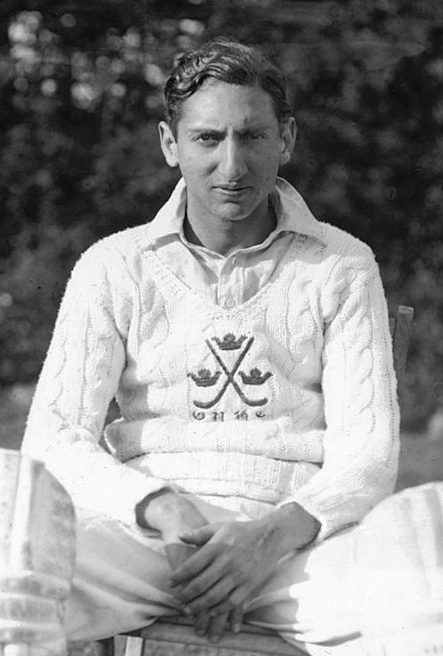
Pataudi was the smallest among the three, with an area of around 53 sq. miles and population of 20,000. Its ruling family traced its ancestry to an Afghan Shaikh Pir Mat, who came to India during Emperor Akbar's reign. A descendant, Faiz Talab was granted the Pataudi Ilaqua as a perpetual jagir by Lord Lake in 1806. Pataudi ranked seventeenth in order of precedence among the Indian States in Punjab. The Nawab of Pataudi at the time of integration was a well-known sportsman and cricketer. He was highly regarded for preaching and practicing tolerance during the communal frenzy of Partition. He voluntarily offered to merge his state with East Punjab, signing the agreement on 18 March 1948 (Menon, 1956).
Reference:
Menon, V. P. (1956). The Story of Integration of the Indian states. Orient Blackswan.


Comments